
When it comes to preventing drain clogs, it really boils down to one simple thing: being mindful of what goes down them and doing a little weekly maintenance. It sounds almost too easy, but simple habits like using a drain strainer and not pouring grease down the kitchen sink can stop over 90% of clogs before they even think about starting.
The True Cost of a Clogged Drain
That slow-draining sink or gurgling you hear from the shower? That’s more than just a minor headache—it’s your plumbing system sending up a flare. If you ignore it, you’re letting a small, fixable issue snowball into a costly emergency. Proactive drain care isn’t just another chore; it’s one of the smartest things a homeowner can do to protect their property and their wallet.
Shifting your mindset from reactive repairs to preventative maintenance is the key. A lot of homeowners don’t realize how common this problem is until it’s too late. Did you know that nearly 48% of homeowners deal with a clogged drain every single year? That statistic shows just how often households, especially in busy areas like eastern Dallas, are fighting with blockages. Preventing them isn’t about convenience—it’s about avoiding messy, disruptive emergencies.
Common Culprits Behind Stubborn Blockages
To stop clogs, you first have to know what causes them. Your home’s drains face a daily barrage of stuff that can easily build up over time, and the main offenders are different from room to room.
- In the Kitchen: Grease, fats, and oils are public enemy number one. When you pour them down the drain, they cool off, get solid, and create a sticky trap for every little food scrap that follows.
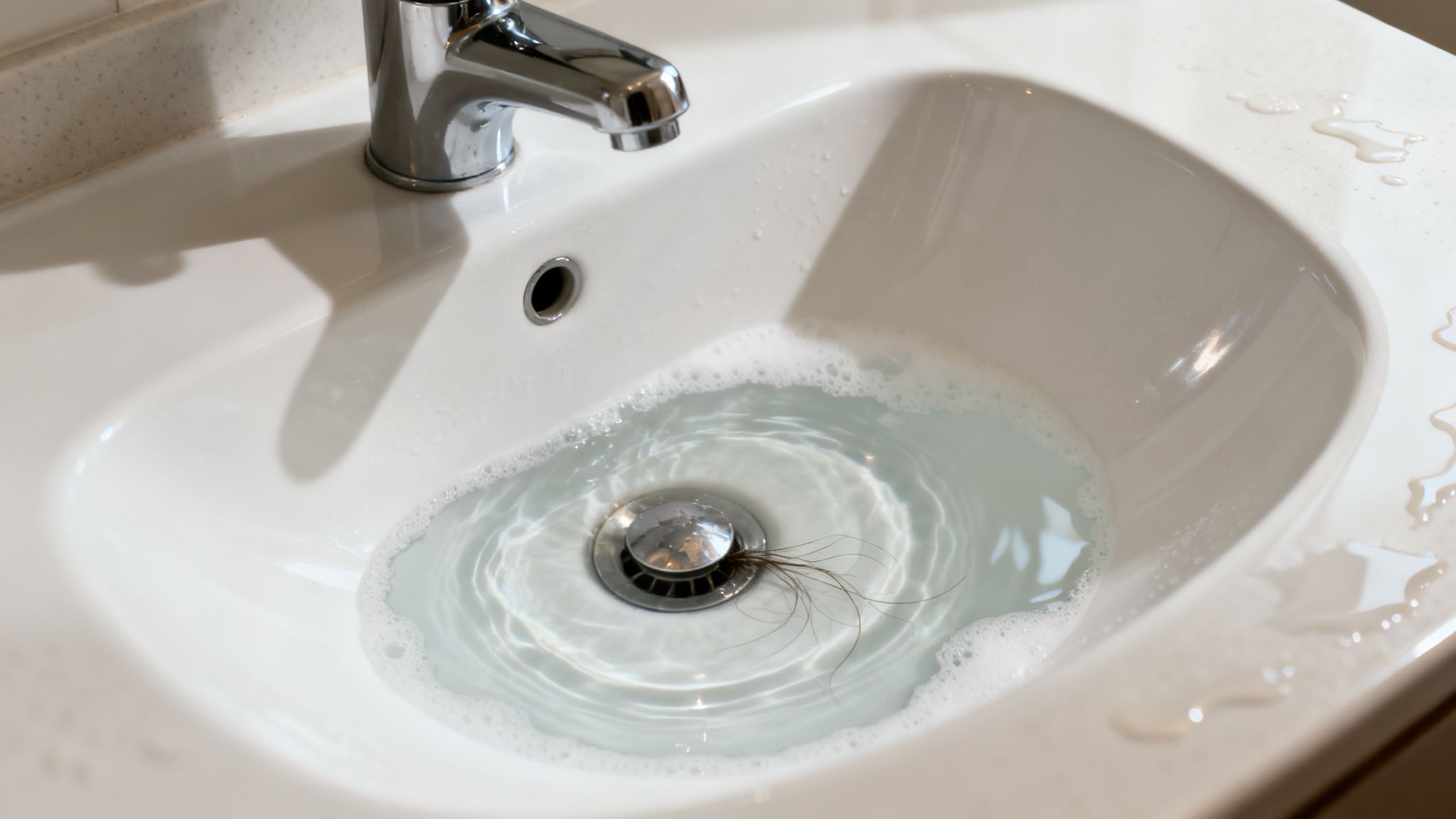
- In the Bathroom: The usual suspects are hair, soap scum, and all that residue from shampoos and conditioners. These things bind together to form dense, stubborn clumps that are a real pain to get out.
Once you know what you’re up against in each room, you can start building better habits. A simple mesh strainer in the shower or a grease jar next to the kitchen sink can make a massive difference in keeping your pipes healthy for the long haul.
Letting these buildups go unchecked leads to more than just slow drains. A bad clog can cause water to back up, creating overflows, property damage, and seriously unsanitary conditions. Over time, the pressure from persistent clogs can even strain your pipes, leading to cracks or leaks. If you think something bigger might be going on behind the walls, it’s a good idea to know how to find a water leak before it gets out of hand.
Your Practical Guide to Clog-Free Drains
Let’s be honest, nobody likes dealing with a clogged drain. But keeping your drains clear isn’t a one-size-fits-all job. What works in the kitchen won’t necessarily cut it in the bathroom. The key is understanding what each drain is up against daily.
Think of this as your room-by-room playbook for preventing clogs before they ever start. A little know-how and a few simple habits are all it takes to keep things flowing smoothly.
Mastering the Kitchen Sink
Your kitchen drain is the workhorse of your home’s plumbing, and it takes a beating from grease, oils, and all sorts of food particles. It’s tempting to just wash it all away, but that habit is the #1 cause of those stubborn, greasy blockages that are a nightmare to clear.
A huge mistake we see all the time is treating the garbage disposal like an invincible trash compactor. While disposals are great for tiny scraps, they just aren’t built to handle large amounts of food, fibrous stuff like celery, or starches like potato peels. These materials turn into a thick, gunky paste that hardens inside your pipes like cement.
To give you a better idea of what you’re up against in each part of the house, here’s a quick-glance table.
Common Drain Clog Culprits by Room
This little cheat sheet breaks down the usual suspects causing backups in your home and the simplest tools to stop them in their tracks.
| Room | Primary Culprits | Best Preventive Tools |
|---|---|---|
| Kitchen | Grease, oil, coffee grounds, starchy food scraps | Sink strainer, grease jar, garbage disposal (used correctly) |
| Bathroom | Hair, soap scum, “flushable” wipes, dental floss | Drain catcher/screen, regular pop-up stopper cleaning |
| Laundry Room | Lint, detergent residue, dirt, pet hair | Lint trap/mesh screen for the discharge hose |
Knowing the specific enemy in each room makes it much easier to win the war against clogs.
Pro Tip from a Plumber: Keep an old coffee can or a “grease jar” under your sink. Instead of washing cooking fats down the drain, pour them into the can. Once it’s full, just let it solidify and toss it in the trash. Your pipes will thank you.
Winning the Battle in the Bathroom
When it comes to the bathroom, the dynamic duo of drain destruction is hair and soap scum. Over time, they bind together to form dense, slimy clumps that can bring your shower or sink to a dead stop. The waxy binders in many bar soaps are especially bad—they create a sticky residue that hair just loves to cling to.
Thankfully, the fix is simple. A quality drain catcher for your shower and sink is one of the cheapest and most effective investments you can make. These little gadgets catch hair and gunk before it has a chance to go down, letting you just wipe it clean and throw it away.
Also, don’t forget to clean out your sink’s pop-up stopper now and then. You’d be shocked at how much gunk they collect, and they’re often the hidden reason for a slow-draining sink. If you’re already seeing water pool up, our guide on what to do when your sink is backing up is a great place to start.
Laundry Room Drain Defense
The laundry room drain is the unsung hero, quietly dealing with its own unique mess. Lint, detergent buildup, and all the dirt from your clothes create a heavy sludge that builds up over time, eventually causing a frustrating backup.
An easy way to fight this is by putting a lint trap or a simple mesh screen over the end of your washer’s discharge hose. This little filter will catch most of the fibers before they even get into your plumbing.
Pay attention to how much detergent you’re using, too. More soap doesn’t mean cleaner clothes—it just means more suds and residue coating the inside of your pipes. That residue can harden, narrowing the pipe until nothing can get through.
Building a Sustainable Drain Maintenance Routine
Keeping your drains clear isn’t about some one-time, miracle fix. It’s all about creating simple, repeatable habits that become second nature, keeping your plumbing healthy for the long haul. The absolute best way to prevent clogs is to build a maintenance schedule you can actually stick to—one that fits into your life without feeling like a massive chore.
Think of it like the regular upkeep you do for your car. A little attention now prevents a major, costly breakdown later. When it comes to slow drains and surprise backups, consistency is your secret weapon. You don’t need a cabinet full of harsh chemicals or complicated tools, just a few minutes set aside each week and month.
Your Simple Maintenance Schedule
Breaking down drain care into small, manageable tasks makes it way less intimidating. Instead of waiting for a problem to announce itself (usually at the worst possible time), you can tackle small things on a regular basis to keep everything flowing exactly as it should. This simple rhythm can save you from a world of plumbing headaches.
Here’s an easy-to-follow plan that we recommend to our customers:
- Weekly Task: Run hot water down each drain for a minute or two, especially the kitchen sink after you’ve done the dishes. This little step helps melt and flush away any fresh grease or soap residue before it has a chance to cool, solidify, and cling to your pipe walls.
- Monthly Task: Give your drains a natural cleaning flush. Start by pouring about a half-cup of baking soda down the drain, followed by a half-cup of white vinegar. Let it fizz and work its magic for 15-30 minutes, then rinse it all down with a pot of boiling water. This combination is fantastic for safely breaking down minor organic buildup and getting rid of odors.
- Quarterly Task: Take a few minutes to check and clean all your sink pop-up stoppers and shower drain covers. You’ll be genuinely surprised how much hair, soap scum, and gunk they catch. Cleaning them out is one of the quickest ways to immediately improve drainage speed.
This simple schedule is a fantastic first line of defense. It’s a low-effort, high-impact approach to maintaining great drain health.
Essential Tools Every Homeowner Should Have
You don’t need a professional plumber’s entire toolkit to handle the minor clogs that pop up from time to time. Having a few basic, inexpensive items on hand can empower you to tackle small issues yourself, safely and effectively. These are the foundational tools for good DIY drain care.
First on the list is a good set of drain strainers or catchers. Honestly, these are your best friends in the kitchen and bathroom, stopping food particles and hair from ever making their way into your pipes in the first place.
Next, pick up a simple, flexible plastic drain snake. These are far safer for your pipes than their metal counterparts and are perfect for fishing out those shallow, stubborn hair clogs that always seem to plague bathroom sinks and showers.
Keeping these tools under your sink is one of the smartest moves you can make. When you notice a drain slowing down, you can act immediately instead of letting the problem get worse. This is how to prevent drain clogs from turning into a full-blown emergency.
Finally, a good old-fashioned cup plunger (for sinks) and a flange plunger (for toilets) are non-negotiable. Knowing how to use them correctly can solve a surprising number of common blockages without needing to call for backup.
Of course, sometimes the problem lies deeper than what you can see or reach. When you can see what’s happening deep inside your pipes with a professional inspection, you get a much clearer picture of your plumbing’s health. If you are curious about what’s going on in your pipes, learn more about our plumbing camera inspection services to see if it’s the right solution for you.
Advanced Strategies for Long-Term Pipe Health
Routine maintenance is fantastic, but for homeowners and property managers in places like Lone Oak who want to truly future-proof their plumbing, it’s time to look at more advanced solutions. These strategies go beyond just clearing the occasional clog—they tackle the root causes of persistent issues to ensure the long-term health of your entire system. Moving from basic habits to proactive investments can dramatically cut down on unexpected, costly repairs down the road.
This kind of forward-thinking really pays off. Think about it: the World Health Organization reported a $5.50 return for every $1 spent on proper sanitation prevention. For folks in eastern Dallas, this means fewer emergency calls for issues caused by grease and fats, which are responsible for a whopping 40-50% of household clogs. If you’re interested, you can read more about the economic benefits of proper sanitation to see the bigger picture.
Harness the Power of Enzymatic Cleaners
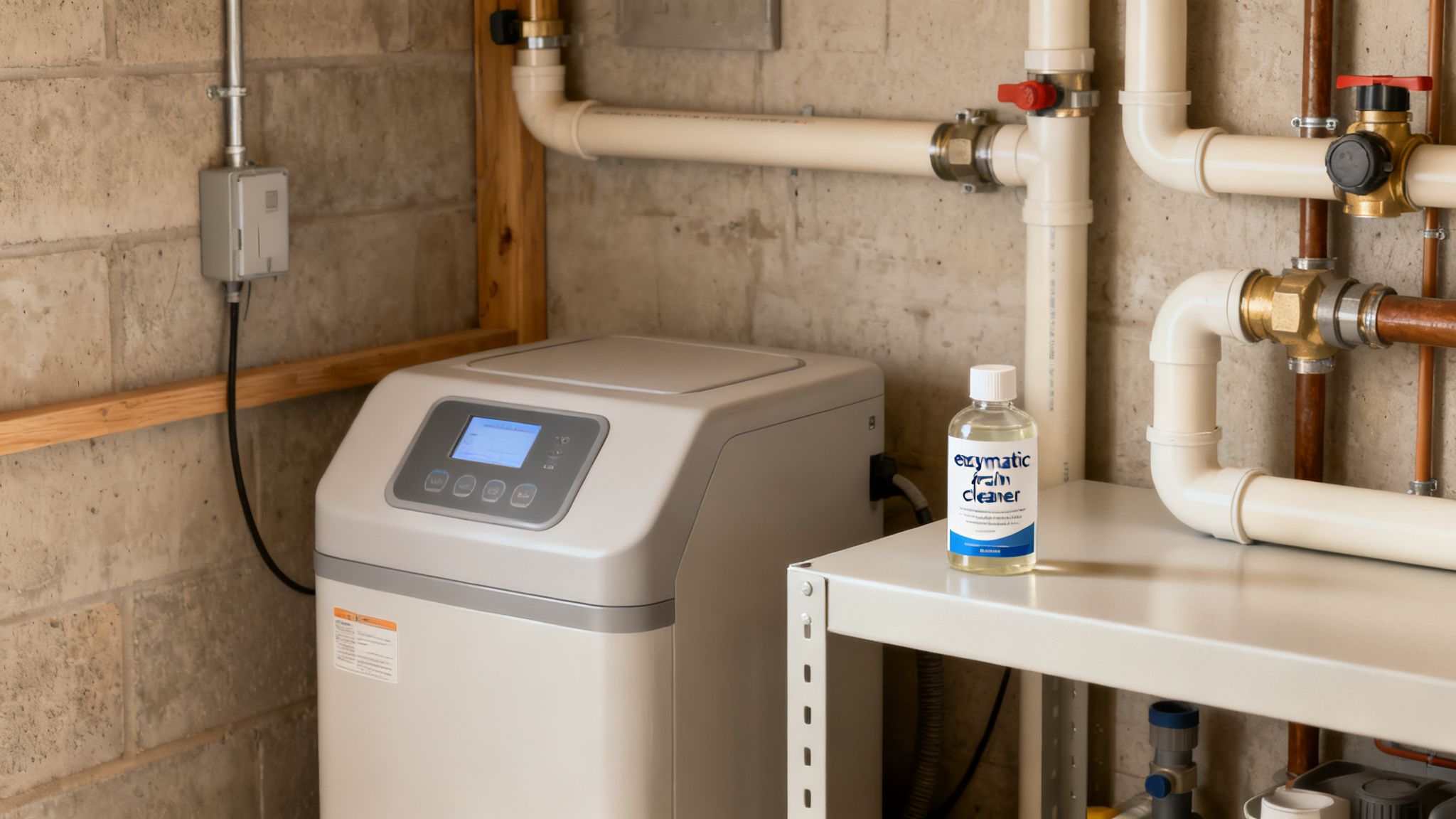
When you need a bit more cleaning power than hot water, your first thought might be to grab a harsh chemical drain opener. The problem is, those corrosive products can do a number on your pipes, especially older ones, and they aren’t great for the environment. A much smarter—and safer—alternative is an enzymatic drain cleaner.
Unlike chemicals that just burn through a blockage, enzymatic cleaners use a blend of natural bacteria and enzymes. These microorganisms literally “eat” the organic waste clinging to your pipes, like grease, hair, and food bits.
- How They Work: The enzymes break down the gunk into smaller pieces, which the bacteria then digest, turning it all into harmless carbon dioxide and water.
- Benefits: They are completely safe for all types of plumbing, septic systems, and the environment. While they work a bit slower than chemicals, using them regularly prevents that nasty buildup from ever forming in the first place.
Think of it like giving your plumbing a healthy probiotic. A monthly treatment is usually all it takes to keep your pipes clean and odor-free from the inside out.
Combatting Hard Water Buildup
Another hidden enemy of your pipes, especially in many Texas communities, is hard water. This water is packed with dissolved minerals like calcium and magnesium. Over time, these minerals form a rock-hard scale on the inside of your pipes.
This limescale buildup narrows the pipe’s diameter and creates a rough surface that snags debris, making clogs much more likely. It also hurts the efficiency of your water heater and other appliances.
The ultimate solution to this problem is a whole-home water softening system. By removing these minerals right at the source, a water softener not only prevents scale buildup but also extends the life of your appliances and even makes your soaps and detergents work better.
Investing in a water softener is a big step, but for homes with persistent hard water issues, it’s one of the most effective long-term moves you can make. Of course, for the toughest mineral and grease buildups that have already formed, professional services can restore your pipes’ flow. You can learn more about how powerful tools work—our page on hydro jet drain cleaning in Lone Oak explains how we clear years of accumulation.
Knowing When to Call a Professional Plumber
DIY maintenance is a fantastic first step for keeping your plumbing happy, but knowing its limits is just as crucial. The real secret to preventing a small headache from turning into a full-blown, wallet-draining disaster is recognizing when to put the tools down and call in an expert. Sometimes, a slow drain isn’t just a simple clog—it’s a symptom of a much bigger problem lurking deeper in your pipes.
If you’ve tried the basic unclogging methods and the problem just keeps coming back, that’s your first major red flag. A clog that won’t stay gone usually means the blockage was never fully cleared in the first place, or the real issue is much further down the line than a simple plastic snake can ever hope to reach. When your fixes only last a few days, it’s time for a professional diagnosis.
Unmistakable Signs You Need an Expert
Some symptoms are dead giveaways that you’re dealing with more than a simple hairball. Ignoring these can lead to serious water damage, nasty sewer backups, and expensive repairs that a timely call could have easily avoided.
Keep an eye out for these tell-tale signs:
- Multiple Clogged Drains: Your kitchen sink, shower, and toilet all start acting up at the same time? That’s not a coincidence. This points to a blockage deep in your main sewer line, which is a serious issue requiring professional-grade equipment.
- Persistent Foul Odors: Funky smells wafting up from your drains that no amount of cleaning can fix are often caused by trapped, rotting gunk in your pipes. It could also signal a problem with your sewer line’s ventilation. It’s not just unpleasant; it’s a sign of a buildup that needs to be properly removed.
- Strange Gurgling Sounds: Ever flush a toilet and hear gurgling noises from the shower drain? That weird sound is caused by trapped air in your plumbing system, desperately trying to escape past a partial clog. It’s a classic sign of an impending backup.
Professional Solutions for Deep-Rooted Problems
For problems beyond the reach of store-bought tools, we have specialized equipment to see what’s really going on and resolve it correctly. Globally, even as 57% of the population gained access to safely managed sanitation in 2022, clogs are still a major threat to homes. In a busy area like greater Dallas, the most common culprit is a mix of hair and soap, causing 30-40% of cases. But the problem isn’t always that simple. You can learn more about the complex science behind these issues in this research on modern dam and drain science.
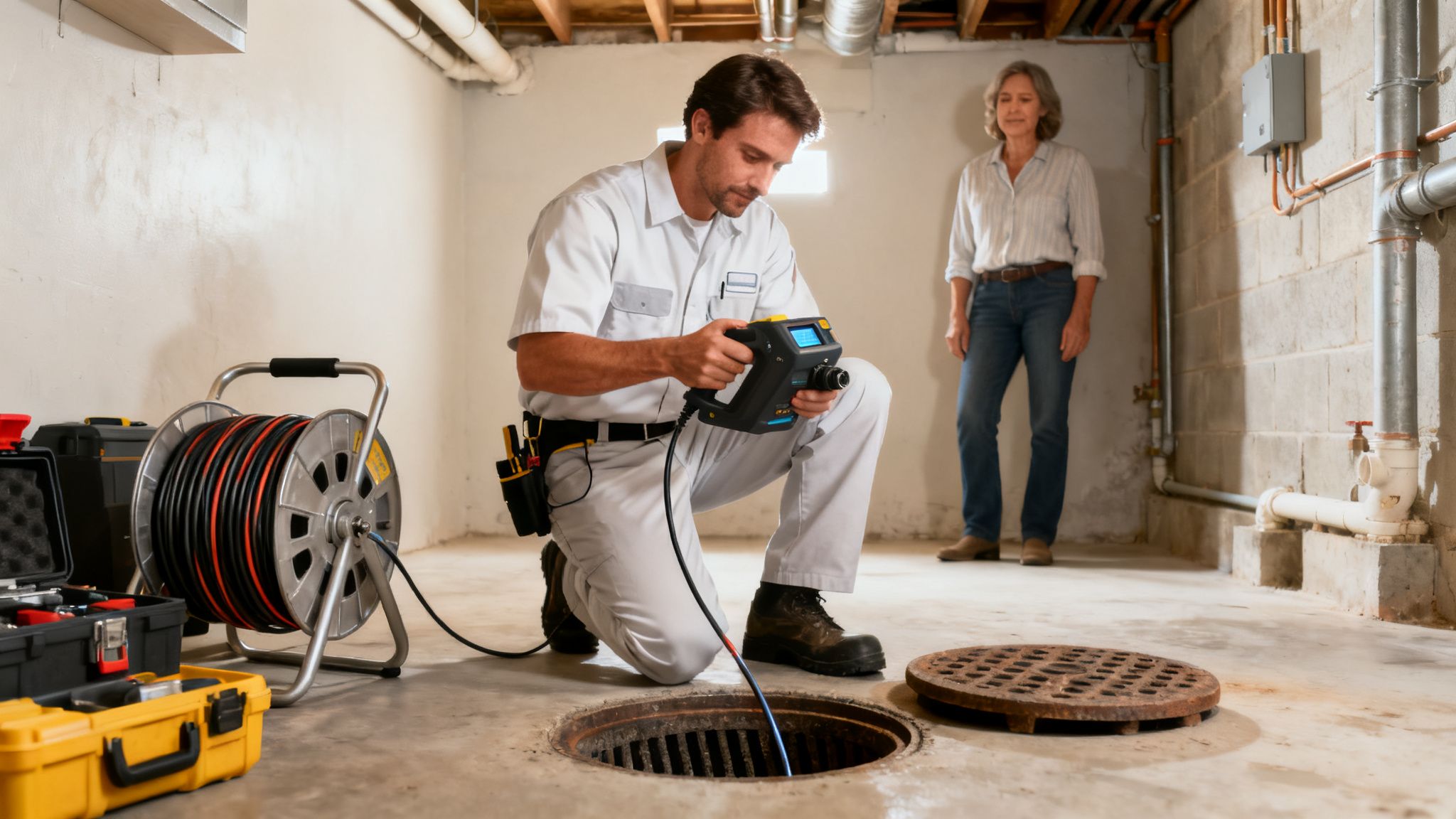
When you’re up against a stubborn blockage, a professional can run a sewer camera inspection to get eyes inside your pipes. This takes all the guesswork out of it, clearly identifying everything from severe grease buildup and invasive tree roots to a crushed or collapsed pipe.
Once we see what we’re dealing with, we can recommend the right fix. For severe clogs and years of buildup, hydro jetting is the most powerful tool in our arsenal. It uses high-pressure water to literally scour the inside of the pipes, blasting away accumulated sludge and restoring them to a like-new condition. That’s a level of clean no DIY method can ever achieve.
To learn more about these powerful techniques, take a look at our guide on professional drain cleaning services.
Have Questions About Drain Clog Prevention? We’ve Got Answers.
Even with the best habits, it’s natural to have questions about your home’s plumbing. To help you feel more confident in your maintenance routine, we’ve gathered some of the most common questions we hear from homeowners around Lone Oak and eastern Dallas. Getting clear, straightforward answers is the best way to troubleshoot concerns and understand how to keep clogs away for good.
Are Chemical Drain Cleaners Really That Bad for My Pipes?
Honestly, yes. We almost always advise steering clear of harsh chemical drain cleaners. While they might seem like a quick fix, they often do more harm than good in the long run.
Think about it: those corrosive chemicals are designed to eat through tough clogs, but they can also eat away at your pipes, especially older metal ones. This can create weak spots that eventually turn into costly leaks. Plus, you’re dealing with significant safety and environmental risks every time you pour them down the drain.
For routine upkeep, you’re much better off with safer alternatives like enzymatic cleaners or even a simple baking soda and vinegar flush. When you’re facing a truly stubborn blockage, calling a professional is a far safer bet than reaching for another bottle of chemicals.
How Often Should I Get My Drains Professionally Cleaned?
For most homes, a professional drain inspection and cleaning every 18 to 24 months is a smart preventive move. But that’s just a general guideline—some situations call for a more frequent schedule.
You might benefit from an annual cleaning if you have:
- An older home with its original cast iron or galvanized steel plumbing.
- Large, mature trees anywhere near your main sewer line.
- A big family that puts more daily stress on the plumbing system.
And for our commercial clients, especially restaurants dealing with heavy grease, we often recommend professional cleaning on a quarterly basis to stay ahead of serious, business-halting blockages.
What’s the Difference Between Snaking and Hydro Jetting?
Great question. Think of snaking and hydro jetting as two different tools for two very different jobs.
A drain snake (or auger) is a mechanical tool. Its job is to physically break through or pull out a specific, isolated blockage. It’s perfect for simple clogs, like a nasty hairball in the shower drain.
Hydro jetting, on the other hand, is a total pipe cleaning. It uses powerful streams of high-pressure water to scour the entire inner surface of the pipe. It blasts away not just the main clog but also years of accumulated grease, mineral scale, and gunk. It essentially restores the pipe to a like-new condition, which is why it’s the best long-term solution for preventing future clogs.
Can I Actually Stop Tree Roots from Clogging My Sewer Line?
Completely stopping a determined tree root is tough, but you can definitely manage the problem. The first step is simple awareness—know where your sewer line runs and avoid planting new trees or large shrubs nearby.
For existing trees, the best defense is a good offense. A proactive sewer camera inspection every year or two lets us spot root intrusion before it becomes a full-blown crisis.
When roots are found, professional hydro jetting can effectively slice through smaller intrusions and clear the line. If the problem is more severe, modern trenchless pipe repair methods can create a permanent barrier, stopping roots from getting back in without having to dig up your entire yard.
Don’t wait for a clog to ruin your day. For expert advice, professional drain cleaning, or a complete plumbing inspection in the Lone Oak area, trust the team at On The Way Plumbing Leak Specialist. Schedule your service online or give us a call to keep your home’s plumbing flowing smoothly.