
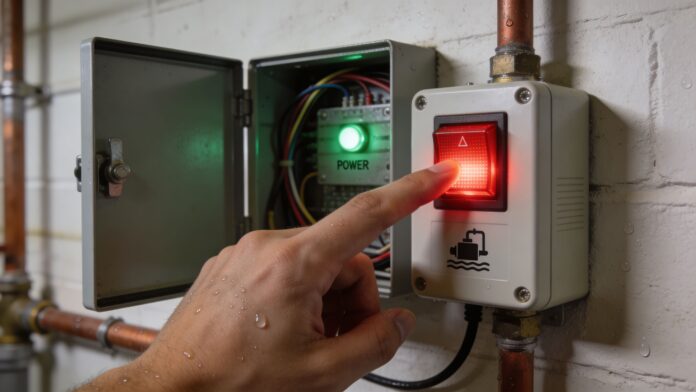
The alarm usually starts at the worst possible moment. You’re running a load of laundry, someone is in the shower, and then the panel starts beeping. Most homeowners don’t know if that means “wait and watch” or “stop everything right now.”
If your septic system alarm went off, treat it like an early warning, not background noise. The alarm exists to tell you the system needs attention before wastewater ends up where it shouldn’t. Around Lone Oak, Quinlan, Rockwall, and the rest of eastern Dallas, that warning often shows up after heavy household water use, after seasonal rain, or when a pump chamber component quits doing its job.
Recognizing why septic system alarm went off
A homeowner in the Lone Oak area called after hearing the alarm midway through laundry day. The first thought was that the tank must be “full.” That’s a common assumption, and it’s often wrong.
A septic alarm is usually tied to the pump chamber and control panel, not just the main tank. Its job is to warn you when the water level is outside the normal operating range. The focus is often solely on high water. That is the most common trigger, but low water alarms matter too, especially on systems where a pump can dry-run or where a leak lets liquid escape before the chamber reaches the normal level.
What the alarm is actually protecting you from
The alarm is there to prevent the bigger mess. High water can move toward a backup into the home or overload the disposal side of the system. Low water can leave a pump running without the water it needs around it, which can damage the motor.
That’s why I tell homeowners not to silence the alarm mentally just because they’ve silenced it physically. The beeper can be muted. The problem is still there.
A septic alarm is a warning device, not a diagnosis.
High-water conditions are the most frequent reason these alarms go off, often after too much water enters the system in a short window or when rainfall saturates the drain field. If those warnings are ignored, drain field failure can become a much more expensive problem, with repairs averaging $5,000 to $20,000 according to D and H Septic Services.
High water versus low water
A lot of homeowners only look for one explanation. That slows down the right fix.
- High water alarm: The chamber level has climbed too far. Common causes include heavy water use, rainfall saturation, a clogged filter, or a pump that isn’t moving effluent.
- Low water alarm: The chamber level is below where it should be. That can point to leaks, tank cracks, or pump dry-running conditions.
If you’ve also noticed odor indoors, that can be part of the same chain of symptoms. A separate guide on septic smell in house can help connect the dots.
Immediate response to a triggered alarm
When the alarm sounds, don’t start by opening lids or guessing. Stabilize the system first.
Start with the control panel
Go to the alarm box and press the red silence button or use the mute switch if your panel has one. Then check whether the green power light stays on.
If the green light is on, the panel still has power. That doesn’t mean the whole septic system is healthy, but it tells you the next check should be the breaker and water load.
If the panel is dark or acting erratically, you may be dealing with a power issue rather than a tank issue.
Check the breaker before you do anything else
Find the septic breaker in your electrical panel. If it’s tripped, reset it once.
If it trips again, stop there. Repeated trips usually mean a deeper electrical problem or a pump issue, and continuing to reset it can make the diagnosis worse or damage the equipment further.
Practical rule: One breaker reset is troubleshooting. Repeated resets are gambling with the pump.
Cut household water use hard
This is the step people resist, and it’s often the step that matters most. If your septic system alarm went off, stop stacking more water into the problem.
Limit water use to under 50 gallons per day while you observe the system, as outlined in VDW Wastewater Systems’ troubleshooting guidance. That same guidance says to silence the alarm, reset the breaker if tripped, and observe 2 to 3 pump cycles over 24 to 48 hours, with about 85% of issues resolving through these power and water checks.
For most homes, that means:
- No laundry: Washing machines can dump a lot of water quickly.
- No long showers: Keep bathing brief and only when necessary.
- Skip the dishwasher: Hand washing a few items uses less water than a full machine cycle in a stressed system.
- Avoid unnecessary flushing: Every flush adds to the chamber load.
Look outside before you assume the worst
Walk the yard near the tank area and drain field.
You’re looking for visible standing water, unusually soggy ground, or areas that seem to be surfacing wastewater. In eastern Dallas, clay-heavy soils and seasonal rains can slow absorption and keep a field saturated longer than homeowners expect.
If the yard is wet and the alarm is active, don’t keep using water in the house just because drains still seem to be working. The system may be at the edge of backing up.
Give the system time to catch up
Some alarms happen because the inflow got ahead of the outflow. Holiday guests, back-to-back baths, multiple laundry loads, and a rain-soaked field can all create that condition.
A short observation period is useful when the breaker is stable and there’s no obvious yard overflow. During that period, keep use minimal and listen for normal pump activity. If the alarm doesn’t clear or returns quickly, the issue probably isn’t just temporary overload.
When immediate help makes sense
If the breaker won’t stay on, the yard is wet, the alarm comes back fast, or you’re dealing with sewage risk inside the home, move it into the emergency category. In that situation, it makes sense to arrange emergency plumbing services so the system can be checked before a warning turns into a cleanup job.
Identifying common alarm causes
Once the house is on reduced water use and the panel has been checked, the next step is separating the likely causes. Not every alarm points to the same fix.
High water from overload or saturated ground
This is the most common pattern in the field. The system handled normal use for weeks, then one busy day pushed it over the line. Laundry, showers, dishwashing, guests, and then a stretch of rain can combine into one simple result. The pump chamber rises faster than the system can move water out.
In eastern Dallas, this gets worse in clay soils because the disposal area doesn’t recover as quickly after rain. If the drain field is slow to accept effluent, the chamber stays high longer and the alarm float does its job.
Look for these clues:
- Recent water spike: Laundry day, extra guests, or heavy cleaning.
- Recent rain: Especially if the yard is soft or soggy.
- No obvious electrical issue: The panel has power, but the level stays high.
Float switch trouble
A bad or stuck float can mimic a bigger problem. The alarm float is often the first component that starts giving false signals or fails to move freely.
If the tank can be accessed safely, the float assembly should move freely and the wiring should look intact. Debris, grease, or tangled cords can interfere with operation. A float problem can trigger an alarm even when the pump itself is still capable of moving water.
A homeowner with the right protective gear and a clear understanding of the setup can sometimes identify a visibly hung-up float. The mistake is assuming every float issue is obvious. Many aren’t.
Pump motor or control problem
If the water level is high and the pump isn’t moving effluent, the fault may be the pump motor, wiring, or controls. A humming sound without normal discharge behavior often points in one direction. Silence when the pump should be running points in another.
Repeated breaker trips also belong in this category. That’s usually where DIY needs to stop.
Low water alarm and dry-run risk
This is the trigger most online guides barely mention, and it matters. Low-water alarms account for 20% to 30% of septic alarms in recent Texas service reports, according to WR Environmental. Those alarms can signal pump dry-running or leaks, and they may point to unnoticed tank cracks that can lead to soil contamination if ignored.
That changes the troubleshooting logic. If the chamber level is unexpectedly low, “use less water and wait” isn’t a complete answer. You need to ask why the level dropped.
A simple cause-and-check view
| Alarm pattern | What it often points to | What to check first |
|---|---|---|
| Red light after heavy use | Overcapacity or slow disposal | Recent laundry, showers, and rain |
| Alarm with stable power | High water or float issue | Yard conditions and chamber level |
| Alarm with tripped breaker | Pump or electrical fault | Breaker behavior after one reset |
| Low-level warning | Leak, crack, or dry-run risk | Chamber level and visible leakage signs |
If the level and the alarm don’t match each other, suspect the float, wiring, or control logic before assuming the entire system failed.
Ensuring safety steps and calling a professional
Some septic checks are reasonable for a homeowner. Some are not. The line matters because this equipment combines wastewater, electricity, and confined spaces.
Safety steps that are not optional
If you’re opening any access point or checking exposed components, protect yourself first.
- Wear gloves: Septic contact is a contamination risk.
- Use a face mask: Especially if you’re near an open riser or lid.
- Keep flames and sparks away: Septic gases are not something to test casually.
- Don’t lean into a tank opening: Treat it as a hazardous space, because it is.
- Shut off power before touching wiring: If you aren’t certain what circuit you’re handling, stop.
A lot of homeowners get in trouble trying to save a service call by doing “just one quick check.” The dangerous part is that septic systems often look simple from the outside.
Signs it’s time to stop DIY work
Call a licensed plumber or septic pro if any of these are happening:
- The alarm stays active after the observation window: If it hasn’t cleared after the period covered earlier, the system needs direct diagnosis.
- You see pooling water outdoors: Surface water near the field or tank area is not a watch-and-wait symptom.
- The breaker keeps tripping: That points toward electrical or pump trouble.
- You suspect a leak or crack: Low-water alarms fit here.
- Indoor fixtures are slowing down or backing up: At that point the risk has moved closer to the home.
When homeowners ask me what information helps speed up a service visit, I tell them to have four things ready: system type, tank age if known, the last pumping date, and what the alarm has been doing since it started.
For people who want a broader household readiness guide, this article on how to handle common plumbing emergencies is useful because it helps sort true emergencies from urgent-but-contained problems.
If part of the concern is whether the alarm ties back to a hidden break, underground moisture issue, or structural leak path, professional leak detection and repair is the right next step.
Understanding repair costs and timeframes
A septic alarm in eastern Dallas can turn into two very different service calls. One is a float switch, control issue, or worn aerator part that gets handled in a single visit. The other is a rain-soaked field, a broken discharge line, or a failing pump that takes diagnosis, parts, permits, and sometimes more than one trip.
The bill follows the failure point.
What usually changes the price
On aerobic systems, low-water alarms often cost less to sort out than homeowners expect. I see them triggered by a stuck float, a small leak at the tank seam or riser, a damaged airline lid gasket, or an aerator problem that changes chamber levels enough to trip the panel. In that case, the work is often diagnosis, a part swap, and a return check after the system stabilizes.
High-water alarms get expensive faster, especially after heavy rain on tight clay soils common east of Dallas. Wet ground can slow absorption, but the hard part is confirming whether the field is only saturated or whether a mechanical problem is pushing water to the wrong place. That extra testing time matters.
If the problem reaches the outlet piping or a buried discharge line, the scope changes again. A line repair may call for excavation, camera work, and sometimes sewer line repair and replacement instead of a simple tank-side fix.
Typical repairs after a septic alarm
| Repair or service | What affects the price | Typical timeframe |
|---|---|---|
| Float switch replacement | Tank access, control panel type, wiring condition | Often one visit if the part is on the truck |
| Effluent pump replacement | Pump size, chamber condition, electrical checks | Commonly same day to next service day |
| Aerator diaphragm or aerator motor service | Aerator brand, age, and whether the alarm is tied to air loss or water level change | Often one visit, then a short recheck period |
| Effluent filter cleaning and system retest | Degree of buildup and whether levels return to normal after cleaning | Usually completed during the service call |
| Buried line or discharge pipe repair | Depth, root intrusion, trench access, and wet soil | Usually longer than tank-side repairs |
| Drain field or spray area evaluation | Recent rainfall, standing water, soil saturation, and county requirements | Often requires more than one step before repair is priced |
What affects the timeline in eastern Dallas
Weather delays are real here. In Hunt County and the surrounding area, a field can stay too wet to read accurately after a stretch of rain. Good technicians do not rush that call, because replacing parts before the soil drains can send you down the wrong path.
Aerobic systems add another trade-off. If the alarm traces back to the aerator, homeowners sometimes want to replace the whole unit immediately. I usually advise confirming whether the trouble is the motor, diaphragm, intake restriction, or alarm circuit first. A smaller repair can solve it, but only after the panel and chamber levels are checked in order.
Rental owners should also plan for access delays, tenant coordination, and documentation. A good rental property maintenance checklist helps track alarm dates, service history, and weather conditions so the diagnosis moves faster.
The fastest jobs are clear mechanical failures. The longest ones are the muddy, weather-driven calls where the system has to be pumped, rested, rechecked, and then repaired based on what the levels do next.
Maintaining your septic system
A lot of alarm calls start months before the buzzer ever sounds. The pattern is usually the same. Deferred pumping, a neglected filter, storm-heavy weeks, and an aerobic unit that has been getting louder without anyone checking why.
Keep up with the parts that actually cause callbacks
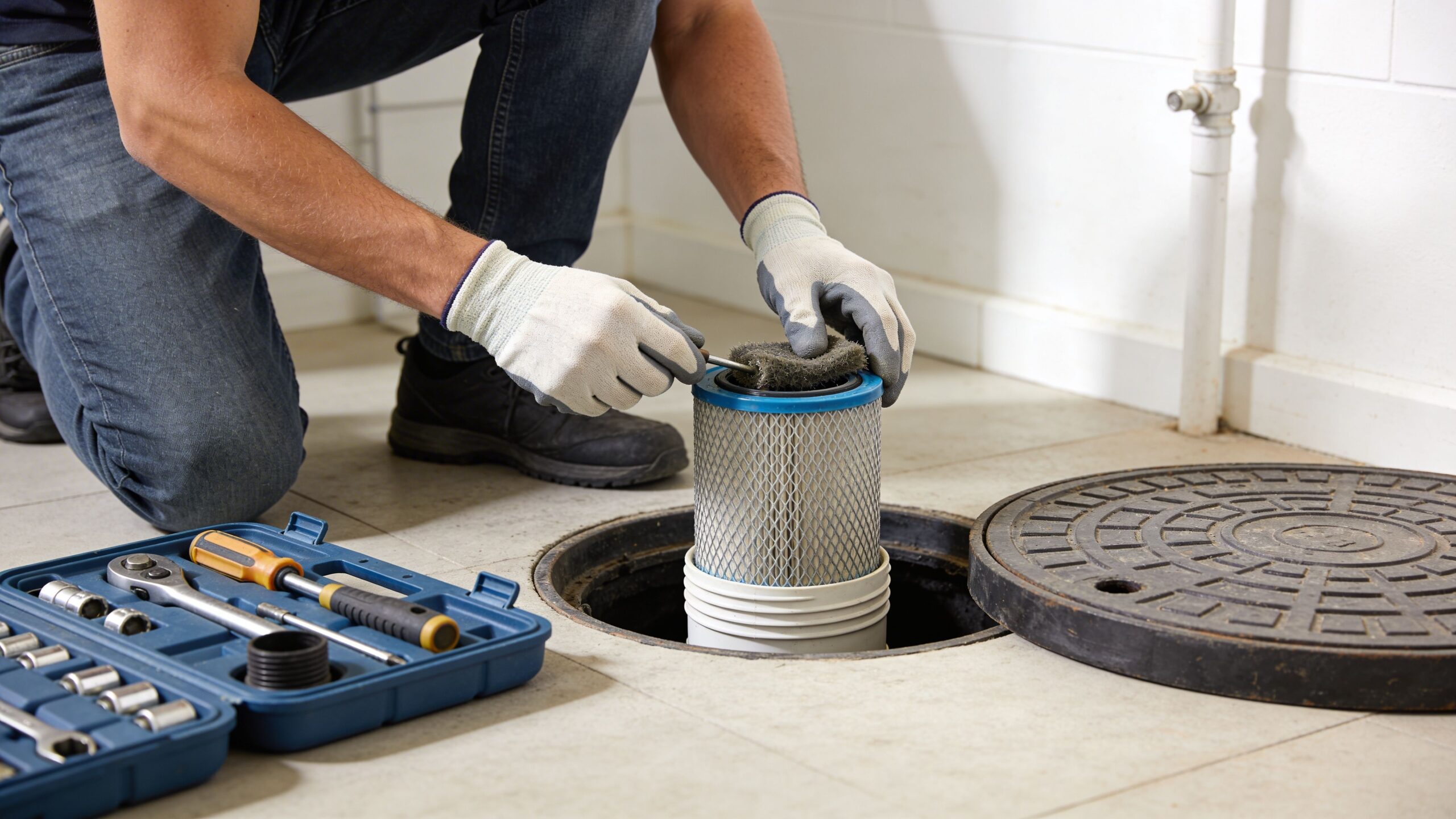
Two routine items prevent a lot of repeat alarms. Clean the effluent filter on a regular schedule, and keep the tank on a normal pumping cycle based on household size, water use, and tank capacity. In the field, many homeowners land around filter cleaning every 6 to 12 months and pumping every 3 to 5 years, but heavy occupancy, garbage disposal use, and older tanks can shorten that interval.
Aerobic systems need a little more attention. The overlooked item is often the aerator diaphragm, especially on Hiblow units that are common on Texas aerobic setups, including the HP-80. When that diaphragm starts failing, the sound changes before the alarm story makes sense. Instead of a steady hum, you may hear a harsher buzz, uneven pulsing, or a labored chattering sound from the aerator housing.
Homeowners who are comfortable shutting off power and opening the aerator cover can sometimes catch that problem early. This YouTube resource on aerobic aerator repair shows the basic diaphragm repair process. Parts are often far cheaper than replacing the full aerator, but DIY stops if the motor is overheating, the breaker is tripping, or the panel is showing more than an airflow problem.
A maintenance routine that works better than guesswork
Good maintenance is simple, but it needs to be consistent.
- Spread out high water use: In one evening, back-to-back laundry loads, long showers, and dishwasher cycles can push a touchy system harder than homeowners expect.
- Clean the effluent filter before it becomes a flow problem: A partially blocked filter can mimic a bigger failure.
- Listen to the aerator once in a while: A new noise is often your first clue. Catching it early can save a service call or keep a minor repair from turning into a pump or treatment issue.
- Protect the control panel from storm-related power problems: Surges and short outages are hard on floats, alarms, and control components.
- Write down service dates and symptoms: Good notes shorten diagnosis time, especially if the same issue returns in wet weather.
For landlords and managers, that paper trail matters even more. A simple rental property maintenance checklist helps keep septic service dates, tenant complaints, and prior repairs from getting lost between turnovers.
A useful visual walkthrough can help if you’re dealing with a filter or routine service question:
Regional habits that prevent repeat alarms
Eastern Dallas area soils change the maintenance picture. Blackland Prairie clay holds water, swells after a hard rain, and drains slowly. After a wet stretch, drain fields and spray areas may need more recovery time than homeowners expect, even when the tank and pump are working properly.
That affects day-to-day habits. In rainy periods, cut back on concentrated water use for a few days, watch for standing water near the field or spray area, and do not assume the system is ready for party-level water use just because the alarm cleared. I also tell homeowners with aerobic systems to check the air intake and aerator housing after storm season, because mud daubers, wet debris, and splash exposure can reduce airflow in ways that get missed.
If you want a local reference for staying on schedule, these septic system maintenance tips are a useful place to keep your routine organized.
Wrapping up your septic alarm response
If your septic system alarm went off, the right move is usually simple at first. Silence the panel, check power, cut water use hard, and pay attention to what the system does next.
From there, correctly reading the pattern is the skill. Some alarms point to temporary overload. Some point to a float or pump issue. The under-discussed ones point to low water, leaks, or dry-run conditions that many homeowners miss.
Safety comes first. If the alarm persists, the breaker keeps tripping, or the yard is wet, stop troubleshooting and get the system inspected. In the eastern Dallas area, one practical option is On The Way Plumbing Leak Specialist, License #M-44817, which handles septic inspection, pumping, leak detection, and related drain and sewer diagnostics.
If you want a clear answer before a warning turns into a backup, contact On The Way Plumbing Leak Specialist. A prompt inspection can tell you whether you’re dealing with overload, a failing component, a leak, or a maintenance issue that’s still manageable.