
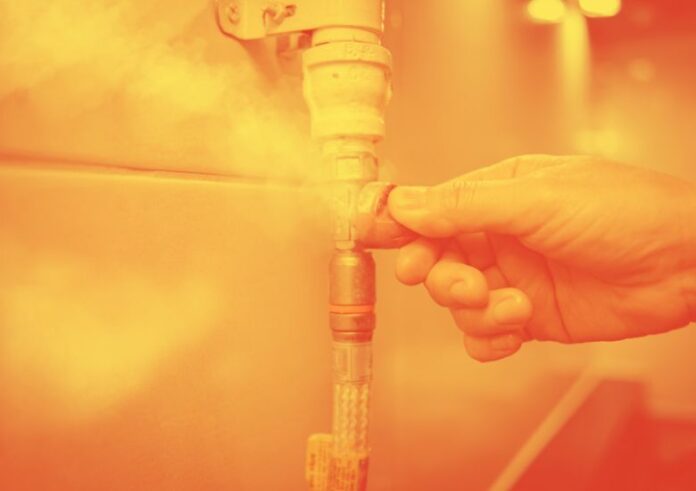
So you’re thinking about tackling that gas leak problem yourself, huh? Well, let me stop you right there, buddy. When it comes to gas leaks, that’s one area where a do-it-yourself approach might not be the wisest choice.
Let’s chat about why handling a gas leak is not just a lousy weekend project but something that requires a trained professional. We’ll break it down in a way that’s easy to understand and won’t put you to sleep, promise!
Understanding the Danger of Gas Leaks
First things first, let’s talk about why gas leaks are such a big deal. Natural gas is pretty useful—it heats our homes, cooks our meals, and even powers certain appliances. But when gas leaks out, that’s when it turns into a sneaky problem. If you’re dealing with a gas leak, you’re essentially playing with fire—quite literally.
Gas leaks can cause explosions. And they can do so quickly. All it takes is a small spark. It’s not worth the risk and definitely not the kind of excitement you want in your life. Plus, inhaling natural gas isn’t great for your health. It can cause headaches, dizziness, and even more serious health issues if you’re exposed for too long.
Looking for gas leak repairs in Lone Oak, TX?
Contact On The Way Plumbing!
Call Us Now!
Common Signs of a Gas Leak
How do you know if you’re dealing with a gas leak? Most folks notice a rotten egg smell (they add that smell on purpose, so you can detect leaks). If you’re picking up on that, you’ve got to act fast. Sometimes you might hear a hissing sound as the gas escapes from a pipe. Also, look out for dead houseplants or an increase in your gas bill—these can be more subtle indicators.
The Problem with DIY Gas Leak Repairs
So, you want to roll up your sleeves and save a buck or two? Well, let’s weigh that decision carefully. Here’s why trying to fix a gas leak on your own isn’t recommended:
- Safety Risks – You’re not trained for this. Gas leaks require specialized knowledge and tools that your average toolbox doesn’t have. Without proper training, you could easily turn a small leak into a big hazard.
- Legal Issues – In many places, it’s actually against the law to tackle gas repairs unless you’re certified. There are regulations surrounding these repairs to protect folks like you.
- Lack of Equipment – A couple of wrenches and duct tape won’t cut it when it comes to a gas leak. Professionals use advanced tools like gas detectors, which you probably don’t have gathering dust in your shed.
- Insurance Problems – If something goes wrong during or after your DIY fix, your homeowner’s insurance may not cover the damage, leaving you with a hefty bill.
Calling in the Experts
Here’s where getting a pro from OTW Plumbing Leak Specialist comes in handy. We’ve got the skills, tools, and experience to handle gas leaks safely and efficiently. Let’s talk about what a professional brings to the table:
- Expert Knowledge: Licensed technicians understand the complexities of gas systems. They can pinpoint where and why a leak is happening and address it effectively.
- Proper Tools: We use specialized tools and equipment designed for detecting and fixing gas leaks without turning a small issue into a full-blown crisis.
- Safety Protocols: Professionals follow strict safety guidelines to ensure the job is done safely, keeping you and your home out of harm’s way.
- Peace of Mind: When a licensed specialist handles the repair, you can breathe easy knowing it’s done right—the first time.
What To Do If You Suspect a Gas Leak
So, what should you do if you think there’s a gas leak? First, don’t panic. Here’s a simple step-by-step to guide you:
Get Out
Leave the area immediately. Seriously, don’t stop to pack a bag or finish watching your favorite TV show. Just leave.
Avoid Sparks
Don’t turn on or off any electrical devices, as a tiny spark could ignite the gas. This also means avoiding using your phone until you’re a safe distance away.
Call for Help
Once you and everyone else are safe, call your gas company and a professional plumber. If it’s big, you might need to contact emergency services.
Stay Away Until Safe
Don’t re-enter the area until you’re told it’s safe by someone who knows what they’re talking about.
How OTW Plumbing Leak Specialist Can Help
When you pick up the phone to call a professional like us, you’re choosing safety over risk. We’re right here in Lone Oak, Texas, ready to tackle your plumbing and gas issues with expertise and care. We don’t just swoop in and patch things up—we inspect, diagnose, and provide long-term solutions.
Wrapping It Up
At the end of the day, certain things in life should be left to the professionals, and gas leak repairs sit high on that list. Don’t gamble with safety; it’s just not worth it. If you’re noticing any signs of a gas leak, or if something doesn’t sit right with you regarding your gas lines, reach out.
Go ahead and give OTW Plumbing Leak Specialist a call. We’d love to help you out and give you the peace of mind that comes with knowing your home is safe and sound.