
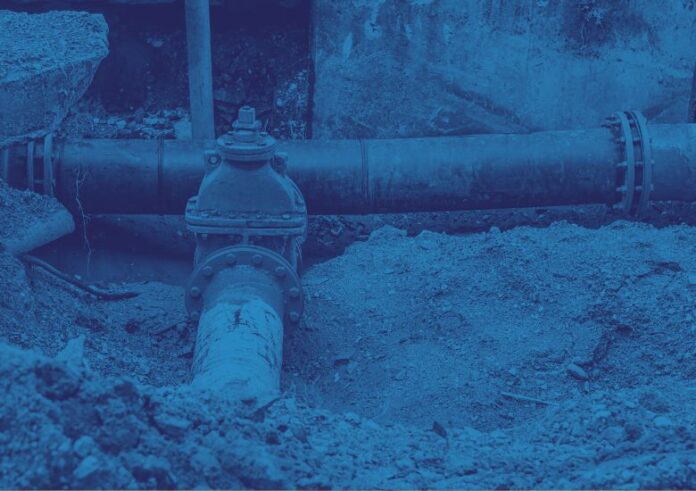
When it comes to water line issues, the thought of having your yard dug up is far from appealing. Fortunately, modern plumbing offers a solution that saves you the mess: trenchless water line repair and replacement. This method is not only less invasive but also efficient and cost-effective. Let’s explore what trenchless technology entails and why it might be the best option for your water line needs.
What is Trenchless Water Line Repair and Replacement?
Trenchless technology refers to methods of installing or repairing pipes with minimal digging. Unlike traditional practices that require extensive trenching to access pipes, trenchless technology offers a no-dig solution. This approach might involve just a couple of small access points, which greatly reduces the disruption to your property.
How Does Trenchless Technology Work?
Trenchless water line repair and replacement typically involve two main techniques: pipe bursting and pipe lining.
Pipe Bursting
Pipe bursting is used to replace old or damaged pipes. It involves pulling a new pipe through the existing one, effectively breaking apart the old pipe as it goes. Here’s a step-by-step look at the process:
- Access Holes: Small holes are dug at the beginning and end of the pipe section needing replacement.
- Pulling Station: A hydraulic machine is set up at one access hole to pull the new pipe through.
- Pipe Insertion: A bursting head, attached to the new pipe, is pulled through the existing pipe. As it moves, it breaks the old pipe apart while laying the new pipe in its place.
- Completion: The new pipe is connected to the existing water line, ensuring a seamless flow.
Pipe Lining
Pipe lining, or cured-in-place pipe (CIPP) lining, is a method used to repair leaks or cracks in a water line. This process involves applying a liner coated with resin inside the existing pipe.
- Inspection and Cleaning: A camera inspection assesses the condition of the existing pipe. The pipe is then cleaned to ensure proper adhesion of the liner.
- Liner Insertion: The resin-coated liner is inserted into the pipe through an access point.
- Curing Process: Once in place, the resin is cured, hardening the liner to form a new, seamless pipe within the old one.
- Final Inspection: A final camera inspection ensures the lining was successful and the pipe is functioning well.
Benefits of Trenchless Technology
Trenchless water line repair and replacement offer several advantages over traditional methods:
- Minimal Disruption: With only small access points needed, landscaping, driveways, and sidewalks remain largely undisturbed.
- Cost-Effective: Although the upfront cost may be comparable or slightly higher than traditional methods, trenchless technology often saves money in the long run by reducing landscape restoration and labor costs.
- Time Efficient: The process is generally quicker, with many projects completing in less than a day compared to several days with traditional digging.
- Durable Solutions: Trenchless methods use high-quality materials that are resistant to corrosion and root intrusion, offering long-lasting results.
- Environmentally Friendly: Minimal digging means less impact on the environment and reduced waste from excavation.
Applications for Trenchless Repairs
Trenchless technology can be used in various situations, including:
- Water Line Replacement: Ideal for replacing old, corroded, or damaged pipes without disrupting surroundings.
- Leak and Crack Repair: Useful for addressing leaks from pipe cracks quickly and effectively.
- Root Intrusion Removal: The durable new pipes resist root intrusion, a common problem for older pipes.
When Should You Consider Trenchless Technology?
If you notice any of the following signs, it might be time to consider trenchless water line repair or replacement:
- Consistent Low Water Pressure: This may indicate pipe corrosion or a significant leak.
- Unexplained Water Bills: A sudden increase suggests a leak in your water line.
- Water Discoloration: Rust or soil entering the water supply can signal damaged pipes.
- Soggy Spots in Your Yard: Wet areas indicate possible leakage from underground pipes.
Our Professional Approach
At On The Way Plumbing Leak Specialist, we bring expertise and cutting-edge technology to the table, ensuring that any issues with your water line are resolved efficiently and with the least amount of disruption. Here’s what you can expect when you call us for trenchless water line services:
- Initial Consultation: We assess the situation, discuss options with you, and provide a detailed plan.
- Advanced Inspection: Using the latest technology, we inspect the water line to accurately diagnose the problem.
- Customized Solution: We determine the best trenchless method for your specific needs, whether it’s pipe bursting or lining.
- Professionally Executed Service: Our skilled technicians execute the solution efficiently while keeping your property’s integrity intact.
- Follow-Up and Support: We ensure everything is working perfectly post-service, offering peace of mind and ongoing support.
Trenchless water line repair and replacement techniques offer modern solutions for age-old problems, making the process more efficient, less invasive, and cost-effective. Whether it’s for simple repairs or complete replacements, opting for trenchless methods is a smart choice for homeowners and businesses alike.
If you’re experiencing water line troubles or simply want to ensure your system is up to date, contact On The Way Plumbing Leak Specialist. Our team specializes in delivering high-quality trenchless services to resolve your plumbing issues with minimal disruption. Don’t let water line problems hold you back—reach out today to schedule a consultation and see how we can help keep things flowing smoothly.